
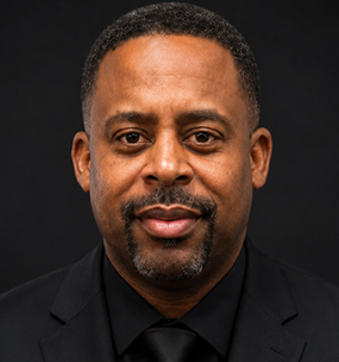
Mark Connally advises business owners and leadership teams on the people, workforce and organizational capabilities required to execute strategy and support sustainable growth.
His work focuses on workforce strategy, training and development, recruitment support, organizational change management, employee practices and human-capital systems. He works with leadership to identify workforce needs, strengthen organizational capabilities and better align people and talent strategies with the objectives of the business.
Mark’s approach extends beyond traditional human-resources administration. He focuses on the relationship between people, organizational effectiveness and business performance—helping clients consider whether they have the leadership capacity, workforce structure, skills and development systems needed to support where the organization is going.
Within The Advisory Circle, Mark is part of the Operational Improvement pillar and collaborates with professionals across Growth & Revenue, Financial Strategy, and other disciplines when a client’s workforce needs are connected to broader business objectives.
Aligning workforce requirements with business strategy, growth plans and organizational priorities.
Strengthening employee, management and leadership capabilities through structured development initiatives.
Helping organizations evaluate talent needs, recruiting priorities and workforce capabilities required for growth.
Supporting organizational structure, leadership alignment, roles, accountability and change initiatives.
Helping leadership strengthen the practices and systems used to manage, develop and support the workforce.
Strong businesses require more than good strategy. They require people with the capabilities, leadership and organizational support to execute it.
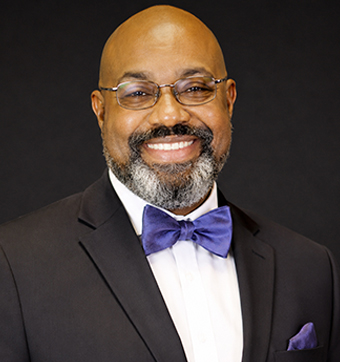
David Griffin works with business owners and leadership teams to identify and develop the commercial relationships and market opportunities that can create new avenues for revenue growth.
His work focuses on strategic relationship development, business development and commercial growth, helping clients identify prospective customers, partners and opportunities that can expand their reach across existing markets, new industry verticals and new geographic markets.
David brings a relationship-oriented approach to growth strategy. Rather than viewing business development simply as lead generation, he focuses on identifying where meaningful commercial relationships can create opportunities for new customers, new revenue channels, strategic partnerships and broader market access.
His commercial finance experience also provides perspective on the economics behind growth opportunities, helping connect relationship development and market expansion with the broader financial objectives of the business.
Within The Advisory Circle, David is part of the Growth & Revenue pillar and can collaborate with professionals across Operational Improvement and Financial Strategy when a client’s growth objectives require additional organizational capacity, capital planning, financial analysis or operating infrastructure.
Developing relationships and opportunities that can help clients enter or strengthen their position within additional industries and market segments.
Supporting relationship development and commercial opportunities as clients evaluate or enter new geographic markets.
Helping leadership translate relationships and market opportunities into stronger pipelines, partnerships and sustainable revenue growth.
Sustainable growth is often built through the right relationships—connecting businesses with customers, partners and markets where both sides can create value.
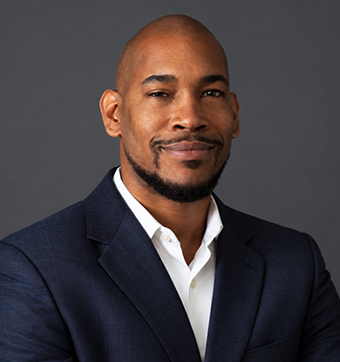
Antoine Lyseight is an experienced technology and business leader who helps organizations translate technology strategy into improved execution, scalability and business performance
His background spans Chief Technology Officer leadership, technology strategy, software and enterprise architecture, SaaS platforms, product development, data engineering, DevOps, Agile transformation and organizational leadership. Throughout his career, Antoine has worked at the intersection of technology and business—developing technology roadmaps, improving delivery processes, building high-performing teams and helping executive leadership connect technology investments with operating and financial objectives.
As an experienced Chief Technology Officer, Antoine has led technology and product organizations, supported large-scale digital platforms and worked alongside executive leadership on technology roadmaps, P&L analysis and key performance indicators. His broader career includes technology architecture, development and consulting experience across hospitality, retail, automotive, energy, telecommunications and other business environments.
Within The Advisory Circle, Antoine works primarily within the Operational Improvement pillar, helping clients evaluate how technology, data, automation and AI-enabled workflows can strengthen operations and organizational capabilities.
His approach emphasizes the practical application of technology. The objective is not technology for its own sake, but using the appropriate tools and systems to improve productivity, strengthen decision-making, create scalability and support better business outcomes.
Connecting technology priorities, investments and roadmaps with business strategy and operating objectives.
Identifying practical opportunities to use AI, agentic workflows and automation to improve business processes while maintaining appropriate human judgment and oversight.
Applying technology and operating analysis to reduce friction, improve productivity and strengthen execution.
Improving the use of data, KPIs and management information to support better decisions and greater organizational visibility.
Strengthening technology architecture, delivery processes, organizational capabilities and infrastructure to support growth and scale.
Technology creates the greatest value when it improves how people make decisions, how organizations execute and how businesses perform.
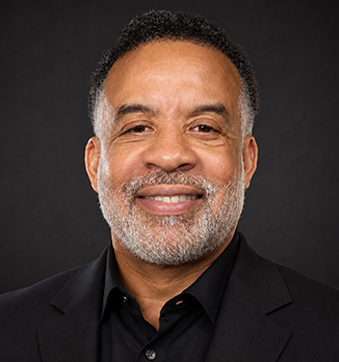
Paul Rousseau is a Certified Public Accountant with more than 25 years of experience across public accounting, consulting, private industry and executive operating-company leadership.
His background spans financial strategy, FP&A, business modeling, accounting, taxation, forecasting, financial and market analysis, acquisitions, underwriting, valuation, deal structuring and business operations. His experience across both professional services and operating companies provides a perspective that connects financial analysis with the practical realities of managing and growing a business.
Paul has served in senior executive and financial leadership roles with responsibility for P&L management, strategic planning, budgeting, cash flow, working capital, capital requirements, acquisitions and operating performance. His experience also includes construction, real estate, professional services, manufacturing, technology, telecommunications, leasing and brokerage.
Within The Advisory Circle, Paul works primarily within the Financial Strategy pillar, helping business owners and leadership teams improve financial visibility, understand the economics of their businesses and translate financial information into better strategic and operating decisions.
His work emphasizes the connection between financial performance and enterprise value—helping leadership understand not only what happened financially, but what is driving the results, what may happen next and where management action can create greater value.
Developing forecasts, budgets, scenario models and forward-looking financial analysis to support management planning and decision-making.
Evaluating business opportunities, strategic alternatives, investments and operating decisions through financial and economic modeling.
Helping leadership understand margins, pricing, customer and service economics, cost structures, KPIs and the drivers of business performance.
Improving visibility into liquidity, cash forecasting, receivables, payables, working-capital requirements and the financial demands associated with growth.
Supporting capital planning, acquisitions, underwriting, valuation, transaction analysis and other significant financial decisions.
Connecting strategy, financial and operating performance, KPIs and management decisions to the drivers of sustainable enterprise value.
Financial information becomes most valuable when leadership can use it to understand what is happening, why it is happening and what should happen next.